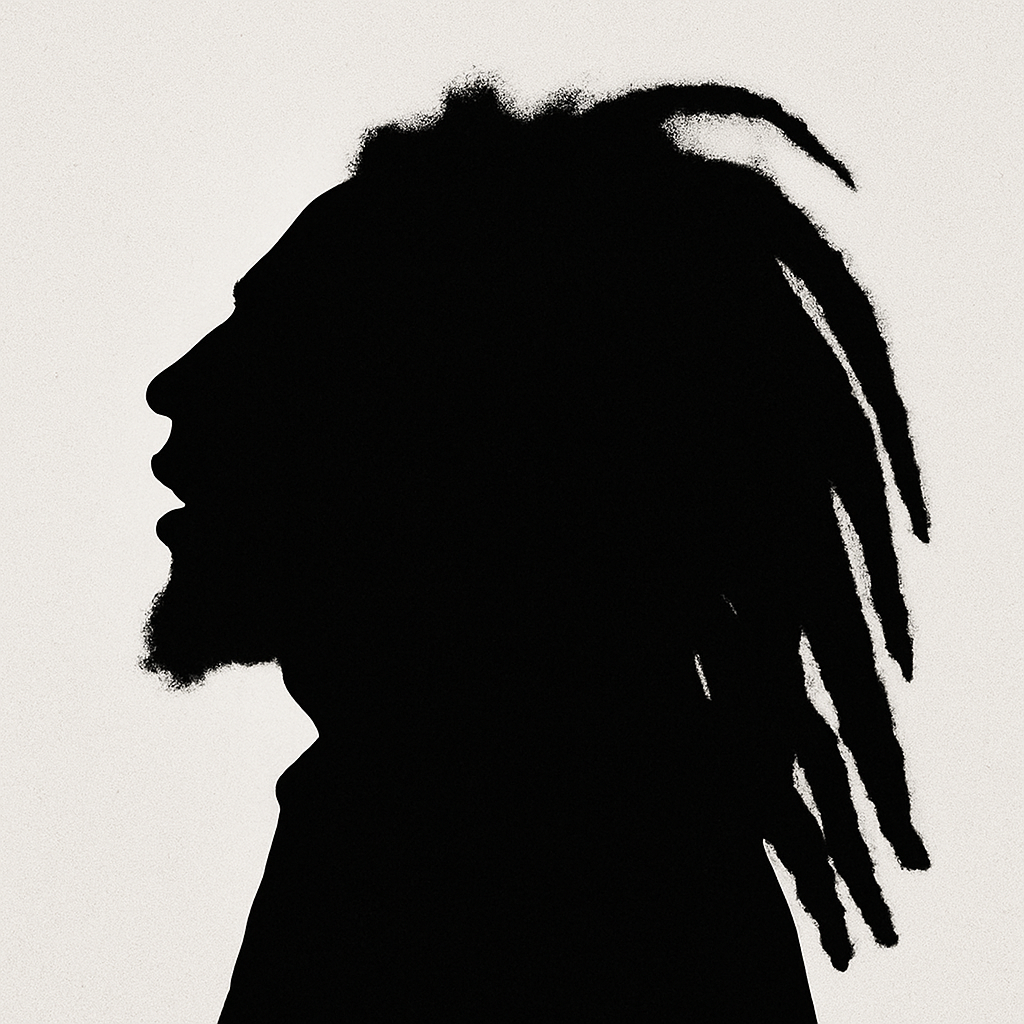
When Bob Marley died in 1981 at age 36, he left behind more than music. His untimely passing without a will triggered one of the most complicated celebrity estates in history—still offering lessons for advisors today. From intestacy battles and family feuds to landmark trademark cases and modern cannabis branding, Marley’s estate shows how powerful, valuable, and contested a global legacy can become.
Dying Intestate in Jamaica
Marley left no will. As a devout Rastafarian, he reportedly believed planning for death went against his faith (New Yorker, “Manufacturing Bob Marley”).
Jamaican intestacy law then dictated the split among his wife and children. A widely cited practitioner summary captures the practical outcome and early litigation chronology (Harrison Estate Law overview).
Problems emerged quickly. Rita Marley—working with Marley’s lawyer and accountant—attempted to backdate documents to shift assets. Courts later removed her as trustee and ordered repayment by advisors; the episode has been recounted in legal-practice histories and reporting (Harrison Estate Law; see also context in New Yorker).
Family Feuds
Managing Marley’s fortune meant balancing spouses, children, and business partners:
• 1991 bidding war: Multiple bidders (including Island’s Chris Blackwell alongside members of the Marley family) vied for control of the core music assets; Jamaican courts were asked to choose among competing proposals (Los Angeles Times, July 16, 1991). For additional period context and family/legal tensions, see the Washington Post’s long feature on “the Marley mess” (Aug. 25, 1991).
• 2011: Half-brother dispute: Rita and nine children sued Richard Booker (Bob’s half-brother) over his “Nine Mile Music Festival” and related businesses using Marley’s name/lyrics without authorization (CBS/AP).
Without a will, family unity gave way to years of mistrust and litigation—with courts continually asked to referee governance and IP control.
Royalties and Song Ownership
The catalog produced its own high-stakes disputes:
• The Wailers’ claim: In 2006, bassist Aston “Family Man” Barrett sued in the UK, seeking ~£60m in royalties and co-writing credits. UK coverage documents the claim; subsequent reporting shows he lost his bid and could not revisit an earlier settlement (Guardian — suit filed; Guardian — case outcome).
• Misattributed songs & No Woman, No Cry: Marley sometimes credited songs to friends to avoid restrictive early publishing deals—creating ambiguity after death. UK litigation in 2014–2015 confirmed that the disputed works (including No Woman, No Cry) sat within Island/Blue Mountain’s rights under a 1992 transfer (Simkins LLP 2014 note; Simkins LLP 2015 update).
These cases show how fragile IP becomes without meticulous contracts and contemporaneous documentation.
Protecting Name and Likeness
Perhaps the estate’s most enduring battles involve Bob Marley as a brand.
• Jamaican recognition of personality rights: A landmark Jamaican case involving Marley’s image established/advanced the tort of appropriation of personality and recognized proprietary control over a celebrity persona; legal commentary and case discussions detail the framework (e.g., Myers Fletcher & Gordon; UWI Law Review note – PDF; Jamaica Observer explainer 2023). A related Jamaican pleading summary references court-approved transfers of personality rights in the late 1980s (vLex excerpt).
• U.S. merchandise fight—A.V.E.L.A.: In 2015, the Ninth Circuit affirmed a jury verdict against a company selling unlicensed Marley apparel, recognizing protectable brand value/false endorsement under §43(a) of the Lanham Act. (Primary opinion PDF; additional case notes: Ninth Circuit opinion PDF; Loeb & Loeb summary).
• “One Love” slogan dispute (Raising Cane’s): The estate challenged a U.S. restaurant chain’s use of “One Love.” Local/AP coverage confirms a settlement in May 2014 (KPEL / AP; also Houma Today).
• Intra-family branding disputes: As with Richard Booker, even relatives faced suits when ventures implied official endorsement (CBS/AP).
Key point for advisors: name, likeness, slogans, and merchandising can rival tangible property in value—but only if enforced across jurisdictions.
Commercial Ventures and Modern Disputes
The estate continues to innovate while policing its IP:
• Marley Natural (cannabis): In 2014, the family licensed Bob’s name to Privateer Holdings to launch a global cannabis brand (Irish Times, Nov. 19, 2014; also business desk coverage: Irish Times—health/pharma section).
• Marley Coffee (Jammin Java): After a license termination, courts ordered disgorgement of all gross revenue (about US$2.4M) for ongoing use of Marley marks; the Ninth Circuit affirmed in 2019 (Reuters; Courthouse News; background on the 2017 district-court award: Lexology / Jamaica Gleaner).
• Philanthropy & legacy: The Bob Marley Foundation continues authorized cultural and educational initiatives (Bob Marley Foundation).
⸻
Lessons for Estate Professionals
1. The cost of intestacy: Absent a will, statutory splits and court oversight can leave heirs embattled for decades—particularly with global IP.
2. Guardianship of brand: Publicity rights can be among the most valuable estate assets; Marley’s heirs won pivotal victories by actively enforcing them.
3. Transparency in administration: Early missteps (e.g., attempted backdating/forgery by advisors) undermined trust—underscoring the value of independent, ethical trusteeship.
4. Many heirs, many conflicts: Eleven children and extended family produced overlapping interests—coordination mechanisms are critical.
5. Cross-border IP complexity: Publishing, neighbouring rights, and trademarks needed constant legal stewardship (UK, US, Jamaica).
6. Plan succession for the estate itself: Transitioning governance to the next generation requires its own structure and clarity.
⸻
Conclusion
Bob Marley once sang, “Every little thing is gonna be alright.” For his estate, however, things were anything but simple. Four decades later, the estate remains a global powerhouse—because heirs, advisors, and courts fought to secure rights, enforce trademarks, and professionalize management. For estate and trust professionals, Marley’s story is instructive: without planning, estates fracture families and invite litigation. With foresight and sound governance, even a turbulent estate can evolve into a lasting legacy.
References
• Harrison Estate Law – Celebrity Estate Lessons: Bob Marley
• New Yorker – Manufacturing Bob Marley
• Los Angeles Times – Marley’s Heirs and Record Company Bid for Estate (1991)
• Washington Post – Dread Reckoning: The Marley Mess (1991)
• CBS/AP – Bob Marley Heirs Sue Half-Brother Over Name (2011)
• The Guardian – Wailers’ Bassist Sues Marleys for £60m Royalties (2006)
• The Guardian – Marley Bassist Loses Royalties Court Case (2006)
• Simkins LLP – Ownership of Bob Marley’s “No Woman, No Cry” Determined (2014)
• Simkins LLP – Ruling on Ownership of Bob Marley’s “No Woman No Cry” Upheld (2015)
• Ninth Circuit Opinion PDF – Fifty-Six Hope Road v. A.V.E.L.A. (2015)
• Loeb & Loeb – Case Summary of Marley/A.V.E.L.A. Decision
• KPEL / AP – Raising Cane’s Settles “One Love” Dispute (2014)
• Houma Today – Raising Cane’s Settles “One Love” Lawsuit (2014)
• Irish Times – Late, Great Bob Marley to Front Global Cannabis Brand (2014)
• Irish Times – Marley Family Strikes Cannabis Brand Deal (2014)
• Reuters – Bob Marley Family Entitled to $2.4m in Trademark Dispute (2019)
• Courthouse News – 9th Circuit Rules Coffee Company Infringed Marley Trademark (2019)
• Lexology – Jammin’ Java Docked $2.4m in Marley Trademark Case (2017)
• Jamaica Gleaner – Jammin’ Java Docked US$2.4m in Marley Trademark (2017)